A new project will assess whether a ‘caffeine-nap’ can counteract sleepiness among drivers who suffer with obstructive sleep apnoea.
A new project will assess whether a ‘caffeine-nap’ can counteract sleepiness among drivers who suffer with obstructive sleep apnoea.
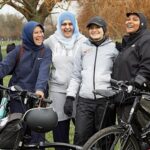
A series of guides, which share key learnings about how to encourage diversity in cycling, are being launched at a free-to-attend online event on 12 July.

Local authorities can now access a specialist resource to help understand the risks to, and improve the safety of, vulnerable road users in towns and cities.
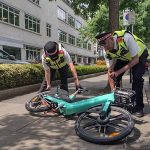
Hammersmith & Fulham Council is moving dumped e-bikes to help keep pavements clear for all residents, but particularly for older and disabled people.

Data published by TfL shows fewer than 0.01% of trips taken as part of the Capital’s rental e-scooter trial have resulted in serious injury.
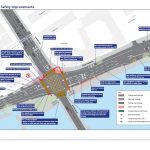
TfL is moving forward the next phase of plans to reduce road danger for people walking and cycling on and near Battersea Bridge.

Transport for London has launched a new plan to increase levels of cycling, while ensuring that those riding become more representative of the capital’s diverse communities.
The Royal Borough of Kensington & Chelsea is among the best local authorities in the country when it comes to dealing with potholes, according to analysis carried out by Cycling UK.
Online driver training can be effective, but only if carefully designed to avoid boredom and distraction, a new report has found.

Westminster City Council has taken the decision to make School Streets permanent following a “successful” 18-month trial.