Image: TfL
TfL has published its long-term plan for buses in the Capital, key components of which include improving safety, improving journey times and cutting emissions.
Buses are already the most used form of public transport in the Capital, and TfL hopes its Bus Action Plan will create an ‘even more attractive alternative to car use’.
It sets out to achieve this by focusing on five areas:
- An inclusive customer experience – a modern, relevant bus network that allows for spontaneous, independent travel, including improved customer information and bus station refurbishment
- Safety and security – a safe, secure bus network, with no one killed on or by a bus by 2030, and with all elements of the Bus Safety Standard implemented by 2024
- Faster journeys – a faster and more efficient bus network, with journeys 10% quicker than in 2015
- Improved connections – a bus network better suited to longer trips with better interchanges
- Decarbonisation and climate resilience – a zero-emission bus fleet to tackle climate change and improve air quality
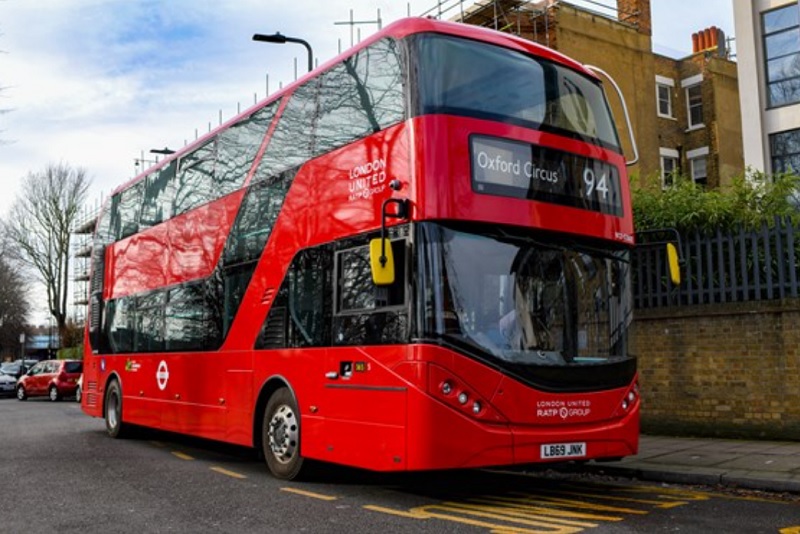
TfL says the plan can be seen in action on the route 63 from King’s Cross to Honor Oak, where new higher specification all-electric buses were launched last month.
The buses bring together a range of customer-friendly features for the first time, including a more welcoming feel, USB charge points and mobile phone holders, a larger wheelchair and buggy area and better real time travel information on board.
A new bus lane on the New Kent Road section of the route is improving journey times and reliability in line with the plan. Meanwhile, all vehicles meet TfL’s Bus Safety Standard and feature upgraded CCTV, enhancing security.
Louise Cheeseman, TfL’s director of buses, said: “We are excited to set out our bus strategy for the rest of this decade, which is all about creating a bus service reflective of our customers and their evolving needs, supporting a sustainable recovery from the pandemic, making London a net zero city by 2030 and improving people’s safety and wellbeing.
“Investment in buses is imperative in dealing with the climate crisis and cleaning up the toxic air that is damaging our health. Our red bus network is fundamental to preventing congestion and, more widely, is a catalyst for unlocking homes and employment in London, as well as creating green jobs across the UK.
“Buses are already an efficient, convenient form of public transport and London has the largest green bus fleet in western Europe, but we need to raise the bar.
“The Bus Action Plan sets out how we will meet the challenges now and into the future, making buses cleaner and greener, more efficient and an option for all our city’s diverse communities. Ultimately, it’s about making the bus the natural choice over the car.”
17 March 2022